Buy allphone.eu ?
We are moving the project
allphone.eu .
Are you interested in purchasing the domain
allphone.eu ?
domain@kv-gmbh.de · 0541-91531010
Buy allphone.eu ?
What is the exact difference between source coding and channel coding in digital modulation?
Source coding and channel coding are two different processes in digital modulation. Source coding is the process of compressing the data to reduce the amount of information that needs to be transmitted. It aims to remove redundancy and irrelevant information from the source data. On the other hand, channel coding is the process of adding redundancy to the data before transmission in order to make it more resilient to errors that may occur during transmission. It aims to protect the data from noise and interference in the communication channel. In summary, source coding reduces the amount of data to be transmitted, while channel coding adds redundancy to protect the data during transmission. **
What is the difference between the coding and non-coding strand?
The coding strand, also known as the sense strand, is the DNA strand that has the same sequence as the mRNA that is transcribed from it. This means that the coding strand has the same sequence as the resulting protein. On the other hand, the non-coding strand, also known as the template strand, is the DNA strand that is used as a template for the synthesis of mRNA during transcription. It has a complementary sequence to the mRNA and does not directly code for the protein. **

Similar search terms for Coding
Top-Angebote
Products related to Coding:
-
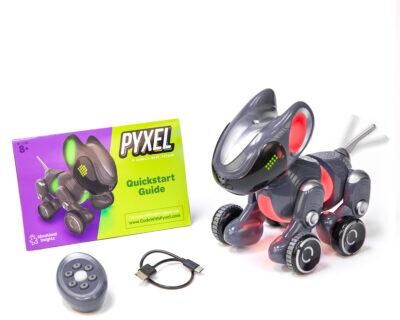
Learning Resources Pyxel The Coding PetKids use a computer or tablet to program this four-legged friend, then send their commands to the included remote to make the pet move, “talk”, and change facial expressions. Includes Coding Pet, user interface, and remote-activator unit. Pyxel The...124,99 $*Shipping: 0,00 $Secure redirect to the provider
-
Om Books International My First Technology Library 6 Books Set by Shweta Sinha, Paperback, Ages 5-8, STEAM Series: Computers, Internet, Coding & RoboticsMy First Technology Library is a six-book paperback set from the Smart Brain Right Brain: Technology series, written by Shweta Sinha and published by Om Books International. Designed for readers aged 5-8, it moves through three levels, introducing computers, the internet, mobile phones, coding, and robotics in simple, friendly language for early STEAM learning.9,99 £*Shipping: 2,99 £Secure redirect to the provider
-
Coding for Beginners: Using Scratch by Rosie Dickins & Jonathan Melmoth - Non Fiction - Spiral-BoundTitle:. Coding for Beginners: Using Scratch Condition: BRAND NEW. Format: Spiral-bound. ISBN: 9781474975094 Overview:. Designed for curious minds in UK primary classrooms, Coding for Beginners: Using Scratch introduces children to the fundamentals of Scratch, one of the National Curriculum’s most popular coding platforms. This friendly, beginner-friendly guide breaks down core concepts—sequencing, loops, events, and simple conditionals—through engaging, hands-on projects that bring ideas to life. Step-by-step instructions guide learners as they create games, animations, and interactive stories, turning abstract thinking into tangible outcomes. Clear Scratch menu guides help young coders navigate the interface with confidence, while a kid-friendly glossary explains essential terms in accessible language. The book also includes links to websites for free downloads and practical tips to support independent practice at home or in school. Written with clarity and patience, it balances explanation with exploration, encouraging trial-and-error learning, creativity, and persistence. By the end, readers will have a toolbox of small programs they can remix, adapt, or expand, proving that coding is approachable and enjoyable. This spiral-bound edition is ideal for classroom use and home study, delivering a durable, hands-on resource that grows with young tech learners. What Makes This Book Stand Out:. What makes Coding for Beginners: Using Scratch stand out is its laser focus on practical, projects-based learning tailored to UK classrooms. The book marries a gentle, encouraging tone with precise, achievable tasks that build confidence from page one. Each project introduces a Scratch concept, then reinforces it with a real-world activity—think simple games, animated scenes, and interactive stories—that children can immediately see and share. The included Scratch menu guides and glossary demystify the software, while the risk-free, step-by-step approach invites children to experiment, test ideas, and learn through play. The addition of free-download links and helpful tips extends learning beyond the page, making it a reliable, long-term reference for budding coders and teachers alike. Who This Book Is Perfect For:. This book is ideal for KS2 students (approximately ages 7–11) who are taking their first steps into coding. It’s perfect for parents supporting home study, teachers planning introductory computing lessons, and after-school clubs looking for structured, approachable activities. Gift buyers seeking a tangible introduction to technology will find it particularly appealing for aspiring coders who enjoy hands-on, creative projects. If your child or student is curious about how games and animations are built, this guide offers a friendly, manageable pathway into computational thinking and digital literacy. Key Highlights:. Beginner-friendly Scratch guide aligned with UK primary education Step-by-step projects to create games, animations, and interactive...10,99 £*Shipping: 2,99 £Secure redirect to the provider
-
Computer Coding for Kids 3 Books Collection Set by Carol Vorderman - Non Fiction - PaperbackTitles in This Set:. Computer Coding for Kids. Computer Coding Projects For Kids. Computer Coding Games for Kids Condition: BRAND NEW. Format: Paperback. ISBN: 9789124024635 Overview:. Unlock the world of coding with a complete, hands-on trio from Carol Vorderman. This 3-book collection guides young readers from first steps in Scratch to creative, real‑world projects and engaging games, all in a friendly, approachable style. The cornerstone book, Computer Coding for Kids, introduces the fundamentals—loops, variables, strings, and Boolean logic—through beginners’ friendly challenges and longer, illustrated game-builds that readers can complete in minutes. The companion volumes expand on practical skills: Computer Coding Projects For Kids invites young coders to design a fireworks display, simulate snowfall, craft fractal art, and experiment with optical illusions—all while reinforcing essential computational thinking and problem‑solving. Finally, Computer Coding Games for Kids walks readers through building and customizing their own games, turning theory into play and encouraging experimentation. With this set, every step of the learning journey is covered in one premium, paperback collection. What Makes This Collection Special:. This collection is more than a trilogy of manuals—it’s a complete, kid‑friendly pathway into coding literacy. By starting with Scratch’s visual blocks and progressing to fully fledged projects and playable games, it mirrors how real-world skills are learned: practice, iteration, and creativity. Carol Vorderman’s clear explanations make complex concepts approachable for beginners of all ages, while the included projects and games offer rapid wins that build confidence and momentum. The three‑book format provides both structure and flexibility, so families can progress at their own pace or dip in for a weekend project. It’s a thoughtfully designed, all-in-one coding starter kit that transforms curiosity into capable, independent problem‑solvers. Books Included in This Collection:. Computer Coding for Kids. This opening volume introduces the core ideas behind programming using Scratch. Readers begin with simple, guided tasks and quickly move to longer, worked examples that demonstrate how loops, variables, and logical thinking drive interactive outcomes. The approachable tone and kid‑friendly pace help new coders experience small, repeatable successes, boosting confidence as they tackle more complex challenges. The book sets a practical foundation for the rest of the collection, pairing theory with hands‑on application to cement learning and enjoyment in equal measure. Computer Coding Projects For Kids. This middle volume shifts from concepts to construction. Readers tackle playful, tangible projects—creating a virtual firework display, simulating snowfall, and generating fractal art—each designed to reinforce core coding skills while inviting personal flair. The projects are easily adaptable, so children can personalise...21,99 £*Shipping: 2,99 £Secure redirect to the provider


-
What is Huffman coding?
Huffman coding is a method used for lossless data compression, where variable-length codes are assigned to different characters based on their frequencies in the input data. This technique ensures that more frequent characters are assigned shorter codes, while less frequent characters are assigned longer codes, resulting in overall compression of the data. Huffman coding is widely used in various applications, such as file compression algorithms and data transmission protocols, to reduce the size of data without losing any information. **
-
I need help with coding.
Of course! I'd be happy to help with coding. Please let me know what specific coding issue you are facing or what you need assistance with, and I'll do my best to provide guidance or support. Whether it's troubleshooting errors, understanding concepts, or writing code from scratch, I'm here to assist you. Just provide me with more details about your coding needs, and we can work through it together. **
-
Are there any coding errors?
No, there are no coding errors in the provided text. **
-
How can one learn coding?
One can learn coding through a variety of resources such as online tutorials, coding bootcamps, and formal education programs. There are many websites and platforms that offer free or paid coding courses, such as Codecademy, Coursera, and Udemy. Additionally, joining coding communities and forums can provide valuable support and guidance from experienced programmers. It's also important to practice coding regularly and work on real-world projects to gain practical experience and improve skills. **


Is coding uncomfortable for you?
As an AI, I don't have physical discomfort, so coding is not uncomfortable for me. However, for humans, coding can be uncomfortable at times, especially when facing challenging problems or long periods of sitting and staring at a screen. It's important to take breaks, stretch, and practice good ergonomics to minimize discomfort while coding. Additionally, building up coding skills and experience can help make the process more comfortable and enjoyable. **
How can one best create a Minecraft mod, both without coding and with coding?
One way to create a Minecraft mod without coding is to use a modding platform or tool that provides a user-friendly interface for making changes to the game. These platforms often allow users to customize the game by adding new items, blocks, or mechanics without needing to write code. On the other hand, creating a Minecraft mod with coding involves learning the Java programming language, as Minecraft mods are typically written in Java. There are many resources available online, such as tutorials and forums, that can help beginners learn how to code Minecraft mods. Additionally, using a modding API like Forge or Fabric can simplify the process of creating mods by providing a framework and tools for developers to work with. **
Top-Angebote
Products related to Coding:
-
Learning Resources Switcheroo Coding CrewJoin the Switcheroo Coding Crew for challenge-solving, obstacle-evading, screen-free rescue missions! Preschoolers save the day the coding way with this three-in-one rescue robot who's ready for early STEM fun! Snap on a vehicle shell to transform...59,99 $*Shipping: 0,00 $Secure redirect to the provider
-
Learning Resources Pyxel The Coding PetKids use a computer or tablet to program this four-legged friend, then send their commands to the included remote to make the pet move, “talk”, and change facial expressions. Includes Coding Pet, user interface, and remote-activator unit. Pyxel The...124,99 $*Shipping: 0,00 $Secure redirect to the provider
-
Om Books International My First Technology Library 6 Books Set by Shweta Sinha, Paperback, Ages 5-8, STEAM Series: Computers, Internet, Coding & RoboticsMy First Technology Library is a six-book paperback set from the Smart Brain Right Brain: Technology series, written by Shweta Sinha and published by Om Books International. Designed for readers aged 5-8, it moves through three levels, introducing computers, the internet, mobile phones, coding, and robotics in simple, friendly language for early STEAM learning.9,99 £*Shipping: 2,99 £Secure redirect to the provider
-
What is the exact difference between source coding and channel coding in digital modulation?
Source coding and channel coding are two different processes in digital modulation. Source coding is the process of compressing the data to reduce the amount of information that needs to be transmitted. It aims to remove redundancy and irrelevant information from the source data. On the other hand, channel coding is the process of adding redundancy to the data before transmission in order to make it more resilient to errors that may occur during transmission. It aims to protect the data from noise and interference in the communication channel. In summary, source coding reduces the amount of data to be transmitted, while channel coding adds redundancy to protect the data during transmission. **
-
What is the difference between the coding and non-coding strand?
The coding strand, also known as the sense strand, is the DNA strand that has the same sequence as the mRNA that is transcribed from it. This means that the coding strand has the same sequence as the resulting protein. On the other hand, the non-coding strand, also known as the template strand, is the DNA strand that is used as a template for the synthesis of mRNA during transcription. It has a complementary sequence to the mRNA and does not directly code for the protein. **
-
What is Huffman coding?
Huffman coding is a method used for lossless data compression, where variable-length codes are assigned to different characters based on their frequencies in the input data. This technique ensures that more frequent characters are assigned shorter codes, while less frequent characters are assigned longer codes, resulting in overall compression of the data. Huffman coding is widely used in various applications, such as file compression algorithms and data transmission protocols, to reduce the size of data without losing any information. **
-
I need help with coding.
Of course! I'd be happy to help with coding. Please let me know what specific coding issue you are facing or what you need assistance with, and I'll do my best to provide guidance or support. Whether it's troubleshooting errors, understanding concepts, or writing code from scratch, I'm here to assist you. Just provide me with more details about your coding needs, and we can work through it together. **
Similar search terms for Coding
-
Coding for Beginners: Using Scratch by Rosie Dickins & Jonathan Melmoth - Non Fiction - Spiral-BoundTitle:. Coding for Beginners: Using Scratch Condition: BRAND NEW. Format: Spiral-bound. ISBN: 9781474975094 Overview:. Designed for curious minds in UK primary classrooms, Coding for Beginners: Using Scratch introduces children to the fundamentals of Scratch, one of the National Curriculum’s most popular coding platforms. This friendly, beginner-friendly guide breaks down core concepts—sequencing, loops, events, and simple conditionals—through engaging, hands-on projects that bring ideas to life. Step-by-step instructions guide learners as they create games, animations, and interactive stories, turning abstract thinking into tangible outcomes. Clear Scratch menu guides help young coders navigate the interface with confidence, while a kid-friendly glossary explains essential terms in accessible language. The book also includes links to websites for free downloads and practical tips to support independent practice at home or in school. Written with clarity and patience, it balances explanation with exploration, encouraging trial-and-error learning, creativity, and persistence. By the end, readers will have a toolbox of small programs they can remix, adapt, or expand, proving that coding is approachable and enjoyable. This spiral-bound edition is ideal for classroom use and home study, delivering a durable, hands-on resource that grows with young tech learners. What Makes This Book Stand Out:. What makes Coding for Beginners: Using Scratch stand out is its laser focus on practical, projects-based learning tailored to UK classrooms. The book marries a gentle, encouraging tone with precise, achievable tasks that build confidence from page one. Each project introduces a Scratch concept, then reinforces it with a real-world activity—think simple games, animated scenes, and interactive stories—that children can immediately see and share. The included Scratch menu guides and glossary demystify the software, while the risk-free, step-by-step approach invites children to experiment, test ideas, and learn through play. The addition of free-download links and helpful tips extends learning beyond the page, making it a reliable, long-term reference for budding coders and teachers alike. Who This Book Is Perfect For:. This book is ideal for KS2 students (approximately ages 7–11) who are taking their first steps into coding. It’s perfect for parents supporting home study, teachers planning introductory computing lessons, and after-school clubs looking for structured, approachable activities. Gift buyers seeking a tangible introduction to technology will find it particularly appealing for aspiring coders who enjoy hands-on, creative projects. If your child or student is curious about how games and animations are built, this guide offers a friendly, manageable pathway into computational thinking and digital literacy. Key Highlights:. Beginner-friendly Scratch guide aligned with UK primary education Step-by-step projects to create games, animations, and interactive...10,99 £*Shipping: 2,99 £Secure redirect to the provider
-
Computer Coding for Kids 3 Books Collection Set by Carol Vorderman - Non Fiction - PaperbackTitles in This Set:. Computer Coding for Kids. Computer Coding Projects For Kids. Computer Coding Games for Kids Condition: BRAND NEW. Format: Paperback. ISBN: 9789124024635 Overview:. Unlock the world of coding with a complete, hands-on trio from Carol Vorderman. This 3-book collection guides young readers from first steps in Scratch to creative, real‑world projects and engaging games, all in a friendly, approachable style. The cornerstone book, Computer Coding for Kids, introduces the fundamentals—loops, variables, strings, and Boolean logic—through beginners’ friendly challenges and longer, illustrated game-builds that readers can complete in minutes. The companion volumes expand on practical skills: Computer Coding Projects For Kids invites young coders to design a fireworks display, simulate snowfall, craft fractal art, and experiment with optical illusions—all while reinforcing essential computational thinking and problem‑solving. Finally, Computer Coding Games for Kids walks readers through building and customizing their own games, turning theory into play and encouraging experimentation. With this set, every step of the learning journey is covered in one premium, paperback collection. What Makes This Collection Special:. This collection is more than a trilogy of manuals—it’s a complete, kid‑friendly pathway into coding literacy. By starting with Scratch’s visual blocks and progressing to fully fledged projects and playable games, it mirrors how real-world skills are learned: practice, iteration, and creativity. Carol Vorderman’s clear explanations make complex concepts approachable for beginners of all ages, while the included projects and games offer rapid wins that build confidence and momentum. The three‑book format provides both structure and flexibility, so families can progress at their own pace or dip in for a weekend project. It’s a thoughtfully designed, all-in-one coding starter kit that transforms curiosity into capable, independent problem‑solvers. Books Included in This Collection:. Computer Coding for Kids. This opening volume introduces the core ideas behind programming using Scratch. Readers begin with simple, guided tasks and quickly move to longer, worked examples that demonstrate how loops, variables, and logical thinking drive interactive outcomes. The approachable tone and kid‑friendly pace help new coders experience small, repeatable successes, boosting confidence as they tackle more complex challenges. The book sets a practical foundation for the rest of the collection, pairing theory with hands‑on application to cement learning and enjoyment in equal measure. Computer Coding Projects For Kids. This middle volume shifts from concepts to construction. Readers tackle playful, tangible projects—creating a virtual firework display, simulating snowfall, and generating fractal art—each designed to reinforce core coding skills while inviting personal flair. The projects are easily adaptable, so children can personalise...21,99 £*Shipping: 2,99 £Secure redirect to the provider
-
Computer Coding for Kids: A Unique Step-by-Step Visual Guide, by Carol VordermanDescription:. Condition: BRAND NEW. Format: PaperbackPython programming and Scratch are a doddle to learn with this easy and colourful guide to coding for kids. Just follow the simple steps and you'll be writing programs in no time.With more than 250,000 copies sold worldwide, Computer Coding for Kids is perfect for beginners of all ages. It starts with the Scratch programming language. Simple examples get readers up to speed quickly, explaining not only how Scratch works but also introducing universal coding concepts, such as loops, variables, strings, and Boolean logic. The Scratch section includes several longer, worked examples of games that readers can build in minutes by following the simple numbered steps.The second part of the book covers the Python language, building on the principles learned in Scratch. This section is ideal for readers who've mastered Scratch and are eager for new challenges. The Python section includes several longer, step-by-step projects that allow readers to build and adapt their own games.Title. Computer Coding for Kids: A Unique Step-by-Step Visual Guide, by Carol VordermanDelivery. ContentReviews99,99 £*Shipping: 0,00 £Secure redirect to the provider
-
Heather Lyons and Elizabeth Tweedale Kids Get Coding 4 Books Collection Set - Non Fiction - PaperbackDescription:. Condition: BRAND NEW. Format: Paperback. Dimensions: 13 x 3.6 x 19.8 cm. Staying Safe Online (Kids Get Coding). Staying Safe Online Learn to Program Learn to Program covers a key component in the new KS1 computing curriculum. We look at the basics of programming - what is an algorithm, basic languages and building a simple program. We then look at how simple programs can be developed to include decision making and repeat activities, and then how they can be fixed using debugging techniques.. Learn to Program (Kids Get Coding). Learn to Program covers a key component in the new KS1 computing curriculum. We look at the basics of programming - what is an algorithm, basic languages and building a simple program. We then look at how simple programs can be developed to include decision making and repeat activities, and then how they can be fixed using debugging techniques.. Our Digital World (Kids Get Coding). What are the different parts of a computer, and how do they work together? How many bytes are there in a terabyte? How do pixels create photos and how do pictures create videos? Learn all this and more, then hop online to try out your new skills on the companion website. Let's get started!. Algorithms and Bugs (Kids Get Coding). Algorithms and Bugs are key components in the new computing curriculum. We look at how algorithms are used to give computers instructions, how they are set up, how they can be changed and adapted. We also look at how computers make decisions using IF statements and how we can predict outcomes.. 9781409597810 9780750297493 9780750297509 9780750297486. Title. Staying safe online. Learn to program. Our digital world. Algorithms and bugs. Delivery. Content. Reviews99,99 £*Shipping: 0,00 £Secure redirect to the provider
-
Are there any coding errors?
No, there are no coding errors in the provided text. **
-
How can one learn coding?
One can learn coding through a variety of resources such as online tutorials, coding bootcamps, and formal education programs. There are many websites and platforms that offer free or paid coding courses, such as Codecademy, Coursera, and Udemy. Additionally, joining coding communities and forums can provide valuable support and guidance from experienced programmers. It's also important to practice coding regularly and work on real-world projects to gain practical experience and improve skills. **
-
Is coding uncomfortable for you?
As an AI, I don't have physical discomfort, so coding is not uncomfortable for me. However, for humans, coding can be uncomfortable at times, especially when facing challenging problems or long periods of sitting and staring at a screen. It's important to take breaks, stretch, and practice good ergonomics to minimize discomfort while coding. Additionally, building up coding skills and experience can help make the process more comfortable and enjoyable. **
-
How can one best create a Minecraft mod, both without coding and with coding?
One way to create a Minecraft mod without coding is to use a modding platform or tool that provides a user-friendly interface for making changes to the game. These platforms often allow users to customize the game by adding new items, blocks, or mechanics without needing to write code. On the other hand, creating a Minecraft mod with coding involves learning the Java programming language, as Minecraft mods are typically written in Java. There are many resources available online, such as tutorials and forums, that can help beginners learn how to code Minecraft mods. Additionally, using a modding API like Forge or Fabric can simplify the process of creating mods by providing a framework and tools for developers to work with. **
* All prices are inclusive of VAT and, if applicable, plus shipping costs. The offer information is based on the details provided by the respective shop and is updated through automated processes. Real-time updates do not occur, so deviations can occur in individual cases. ** Note: Parts of this content were created by AI.