Buy allphone.eu ?
We are moving the project
allphone.eu .
Are you interested in purchasing the domain
allphone.eu ?
domain@kv-gmbh.de · 0541-91531010
Buy allphone.eu ?
Does the mind-muscle connection really exist?
Yes, the mind-muscle connection does exist. It refers to the ability to consciously focus on and engage specific muscles during exercise, which can lead to better muscle activation and overall performance. Research has shown that individuals who are able to establish a strong mind-muscle connection during their workouts are able to recruit more muscle fibers, leading to greater muscle growth and strength gains. Practicing mindfulness and visualization techniques can help improve the mind-muscle connection and enhance the effectiveness of your workouts. **
What is a muscle stimulation device?
A muscle stimulation device is a device that uses electrical impulses to stimulate muscle contractions. These devices are often used for physical therapy, muscle rehabilitation, and athletic training. They can help improve muscle strength, increase blood circulation, and reduce muscle pain. Muscle stimulation devices come in various forms, including portable units for home use and larger units for clinical settings. **


Similar search terms for Mind-muscle
Top-Angebote
Products related to Mind-muscle:
-
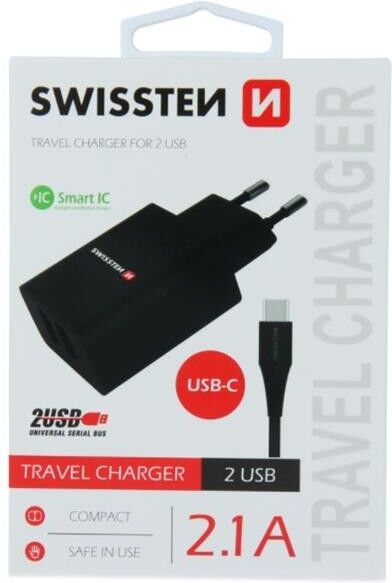
SWISSTEN 22071510 Charger Device, mobile communicationPlug Type: Schuko; Connectors/Plugs: USB type-C, USB; Charge Mode: GaN, PD; Overcharging protection: Yes; Overheating protection: Yes; Short Circuit Protection: Yes; Colour: black; Number of inlets/outlets: 2; Power [W]: 126,59 £*Shipping: 8,45 £Secure redirect to the provider
-
Healfit Counter Pelvic Floor Muscle Exercise Device, Hydraulic Leg Muscle Trainer, Gym Fitness Equipment, Squat Rack pinkElevate your fitness routine with our Hydraulic Leg Muscle Trainer, the ultimate solution for strengthening your legs and core while improving stability and flexibility. This Pelvic Floor Muscle Exercise Device is designed to provide targeted...47,97 $*Shipping: 0,00 $Secure redirect to the provider



-
Which mobile games are good for the mind?
Mobile games that are good for the mind include puzzle games like Monument Valley, which require critical thinking and problem-solving skills. Brain training games like Lumosity and Elevate are designed to improve cognitive abilities such as memory, attention, and processing speed. Additionally, strategy games like Clash of Clans and Civilization VI can help improve decision-making and planning skills. These types of games can provide mental stimulation and challenge, making them beneficial for the mind. **
-
Do you have any gadgets in mind that I could incorporate into my lobby system?
Yes, there are several gadgets that you could incorporate into your lobby system to enhance the experience for visitors. For example, digital signage displays can provide information about events, news, and announcements. Interactive kiosks can allow visitors to check in, access maps, and find information about the building. Additionally, smart locks and access control systems can provide secure and convenient entry for authorized personnel. These gadgets can help create a modern and efficient lobby system for your space. **
-
How does communication in the mind of a person with DID work?
In Dissociative Identity Disorder (DID), communication in the mind of a person works through the presence of distinct and separate identities, often referred to as alters. These alters can have their own thoughts, feelings, and memories, and they may communicate with each other internally. This internal communication can manifest as hearing voices, experiencing inner dialogue, or feeling the presence of other identities. The person with DID may not always be aware of the thoughts and actions of their alters, and the communication between them can be complex and challenging to navigate. Therapy for DID often focuses on facilitating communication and cooperation between the different identities to promote integration and healing. **
-
Muscle soreness or muscle tear?
Muscle soreness is a common condition that occurs after intense physical activity and is characterized by discomfort and stiffness in the muscles. It is usually a temporary condition that improves with rest and proper recovery. On the other hand, a muscle tear is a more serious injury that involves the actual tearing of muscle fibers, resulting in pain, swelling, and sometimes bruising. It is important to differentiate between muscle soreness and muscle tear, as a tear may require medical attention and a longer recovery period. **


Muscle soreness or muscle strain?
Muscle soreness is a common condition that occurs after engaging in physical activity, typically due to micro-tears in the muscle fibers. It is usually a temporary discomfort that can be alleviated with rest, hydration, and gentle stretching. On the other hand, a muscle strain is a more serious injury that involves the stretching or tearing of muscle fibers. It can cause significant pain, swelling, and limited range of motion, requiring medical attention and possibly physical therapy for recovery. It is important to differentiate between muscle soreness and muscle strain to determine the appropriate treatment and prevent further injury. **
Would you mind?
"Would you mind?" is a polite way to ask someone if they are willing to do something or if something is acceptable to them. It is a way to show consideration for the other person's feelings or preferences. Using this phrase can help to make requests or suggestions in a respectful manner. **
Top-Angebote
Products related to Mind-muscle:
-
Does the mind-muscle connection really exist?
Yes, the mind-muscle connection does exist. It refers to the ability to consciously focus on and engage specific muscles during exercise, which can lead to better muscle activation and overall performance. Research has shown that individuals who are able to establish a strong mind-muscle connection during their workouts are able to recruit more muscle fibers, leading to greater muscle growth and strength gains. Practicing mindfulness and visualization techniques can help improve the mind-muscle connection and enhance the effectiveness of your workouts. **
-
What is a muscle stimulation device?
A muscle stimulation device is a device that uses electrical impulses to stimulate muscle contractions. These devices are often used for physical therapy, muscle rehabilitation, and athletic training. They can help improve muscle strength, increase blood circulation, and reduce muscle pain. Muscle stimulation devices come in various forms, including portable units for home use and larger units for clinical settings. **
-
Which mobile games are good for the mind?
Mobile games that are good for the mind include puzzle games like Monument Valley, which require critical thinking and problem-solving skills. Brain training games like Lumosity and Elevate are designed to improve cognitive abilities such as memory, attention, and processing speed. Additionally, strategy games like Clash of Clans and Civilization VI can help improve decision-making and planning skills. These types of games can provide mental stimulation and challenge, making them beneficial for the mind. **
-
Do you have any gadgets in mind that I could incorporate into my lobby system?
Yes, there are several gadgets that you could incorporate into your lobby system to enhance the experience for visitors. For example, digital signage displays can provide information about events, news, and announcements. Interactive kiosks can allow visitors to check in, access maps, and find information about the building. Additionally, smart locks and access control systems can provide secure and convenient entry for authorized personnel. These gadgets can help create a modern and efficient lobby system for your space. **
Similar search terms for Mind-muscle
-
SWISSTEN 22071510 Charger Device, mobile communicationPlug Type: Schuko; Connectors/Plugs: USB type-C, USB; Charge Mode: GaN, PD; Overcharging protection: Yes; Overheating protection: Yes; Short Circuit Protection: Yes; Colour: black; Number of inlets/outlets: 2; Power [W]: 126,59 £*Shipping: 8,45 £Secure redirect to the provider
-
Healfit Counter Pelvic Floor Muscle Exercise Device, Hydraulic Leg Muscle Trainer, Gym Fitness Equipment, Squat Rack pinkElevate your fitness routine with our Hydraulic Leg Muscle Trainer, the ultimate solution for strengthening your legs and core while improving stability and flexibility. This Pelvic Floor Muscle Exercise Device is designed to provide targeted...47,97 $*Shipping: 0,00 $Secure redirect to the provider
-
Healfit Counter Smart Abdominal Training Belts Electric Body Weight Loss, EMS Muscle Stimulator Belt Trainer, Slimming Massage Device Smart Abdominal Training Belts Electric Body Weight Loss, EMS Muscle Stimulator Belt Trainer, Slimming Massage DeviceExperience the future of home fitness with the EMS Muscle Stimulator Belt Trainer, designed to help you achieve toned abs and accelerated weight loss effortlessly. This Smart Abdominal Training Belt Electric Body Weight Loss device uses advanced EMS...43,97 $*Shipping: 0,00 $Secure redirect to the provider
-
How Bad Do You Want It?: Mastering the Psychology of Mind Over Muscle by Matt Fitzgerald - Non Fiction - PaperbackTitle:. How Bad Do You Want It Condition: BRAND NEW. Format: Paperback Overview:. How Bad Do You Want It? revisits some of the most extraordinary moments from the history of endurance sports to explain how mental strength allows athletes to perform at a level far beyond what physical limits would suggest. By weaving gripping race narratives with the latest science from psychology and physiology, the book demonstrates that the mind can influence the body and that belief and preparation shape what’s possible. It offers concrete habits and tactics you can adopt: how to build resilient routines, how to reframe pain as data, and how to harness motivation, focus, and pacing to sustain effort over long distances or long days of exertion. The author profiles remarkable performances across running, cycling, triathlon, and adventure sports, turning test cases into practical guidance. Notably, the 2010 Boston Marathon story of Sammy Wanjiru—facing knee injuries, illness, and a lifestyle that challenged training yet finishing first—serves as a powerful illustration of the mind’s power when paired with preparation and strategy. If you’re a weekend runner, a competitive athlete, or someone seeking sharper focus under pressure, this book provides a roadmap to elevate performance through mindset. What Makes This Book Stand Out:. This book stands out because it places mental training at the center of performance, not as an afterthought. It blends high-stakes storytelling with science-backed strategies, translating complex research into practical steps you can use in training and in daily life. Rather than a pure technique guide, it treats mental strength as a skill to be trained—with measurable benefits in focus, pain tolerance, decision-making, and consistency. The inclusion of legendary endurance feats creates an emotional arc that motivates change while the clear, actionable tactics—such as pre-race routines, cognitive cues, and pacing strategies—are designed for immediate implementation. The storytelling is paired with credibility, making it appealing to both sports enthusiasts and readers seeking genuine, evidence-based self-improvement. Who This Book Is Perfect For:. This title is ideal for runners, cyclists, triathletes, and endurance athletes who want to push beyond plateaus. It also suits coaches, trainers, and students of sport psychology who seek a practical framework for mental training. If you’re preparing for a marathon, a century ride, or any long-form challenge, you’ll find a ready-made mental toolkit. It’s equally valuable for non-athletes who crave better focus, resilience, and goal attainment in high-pressure situations—exams, performances, or demanding projects. A thoughtful gift for sport lovers, motivation seekers, and readers who enjoy true stories of grit, it resonates with BookTok fans and casual nonfiction readers alike, offering both inspiration and actionable guidance. Key Highlights:. Grounds mental training in real endurance moments...99,99 £*Shipping: 0,00 £Secure redirect to the provider
-
How does communication in the mind of a person with DID work?
In Dissociative Identity Disorder (DID), communication in the mind of a person works through the presence of distinct and separate identities, often referred to as alters. These alters can have their own thoughts, feelings, and memories, and they may communicate with each other internally. This internal communication can manifest as hearing voices, experiencing inner dialogue, or feeling the presence of other identities. The person with DID may not always be aware of the thoughts and actions of their alters, and the communication between them can be complex and challenging to navigate. Therapy for DID often focuses on facilitating communication and cooperation between the different identities to promote integration and healing. **
-
Muscle soreness or muscle tear?
Muscle soreness is a common condition that occurs after intense physical activity and is characterized by discomfort and stiffness in the muscles. It is usually a temporary condition that improves with rest and proper recovery. On the other hand, a muscle tear is a more serious injury that involves the actual tearing of muscle fibers, resulting in pain, swelling, and sometimes bruising. It is important to differentiate between muscle soreness and muscle tear, as a tear may require medical attention and a longer recovery period. **
-
Muscle soreness or muscle strain?
Muscle soreness is a common condition that occurs after engaging in physical activity, typically due to micro-tears in the muscle fibers. It is usually a temporary discomfort that can be alleviated with rest, hydration, and gentle stretching. On the other hand, a muscle strain is a more serious injury that involves the stretching or tearing of muscle fibers. It can cause significant pain, swelling, and limited range of motion, requiring medical attention and possibly physical therapy for recovery. It is important to differentiate between muscle soreness and muscle strain to determine the appropriate treatment and prevent further injury. **
-
Would you mind?
"Would you mind?" is a polite way to ask someone if they are willing to do something or if something is acceptable to them. It is a way to show consideration for the other person's feelings or preferences. Using this phrase can help to make requests or suggestions in a respectful manner. **
* All prices are inclusive of VAT and, if applicable, plus shipping costs. The offer information is based on the details provided by the respective shop and is updated through automated processes. Real-time updates do not occur, so deviations can occur in individual cases. ** Note: Parts of this content were created by AI.